
Budget 2027: More doors open to paid employment for people with Down syndrome
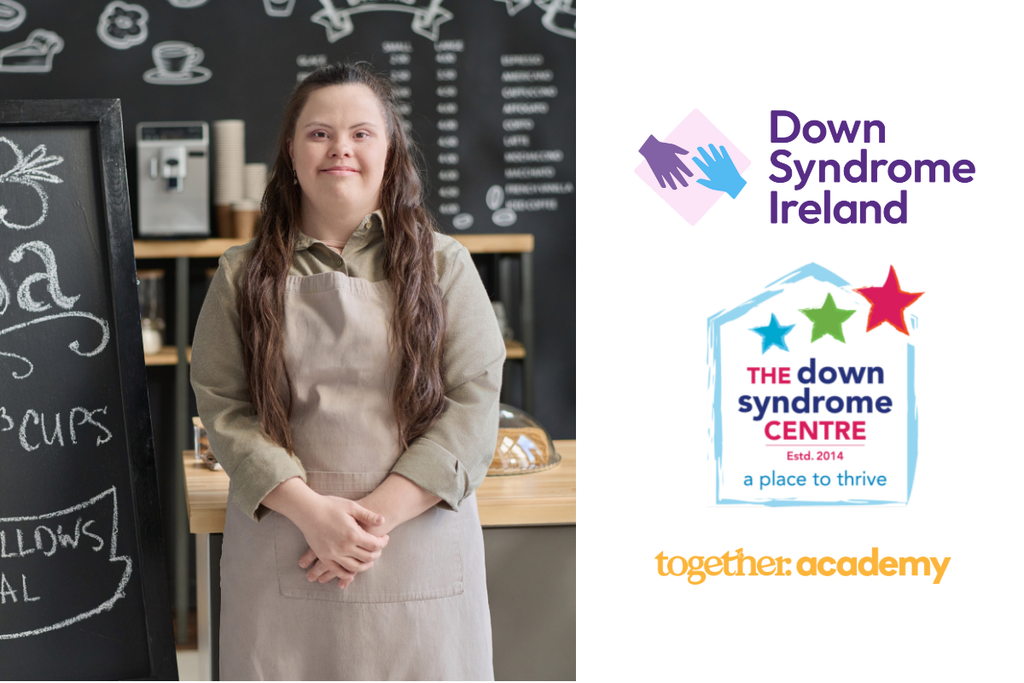
Joint statement from Down Syndrome Ireland, Together Academy and The Down Syndrome Centre
More doors open to paid employment for people with Down syndrome
Today is a day to celebrate an important breakthrough for people with Down syndrome and other intellectual disabilities who want the opportunity to work, earn and contribute to their communities.
Down Syndrome Ireland, Together Academy and The Down Syndrome Centre warmly welcome today’s announcement that the minimum weekly hours required to access the Wage Subsidy Scheme will be reduced from 15 to eight. This change will bring employment support within reach of more people whose working hours previously excluded them from the scheme.
For our members, students and graduates, this is about real opportunities: a first paid job, the chance to put their training into practice, greater financial independence and the pride of being part of a workplace team. For employers, it will mean access to financial support to create and sustain jobs with hours that better reflect the needs of individual employees.
Across our organisations, we see the talent, ambition and commitment that people with Down syndrome bring to workplaces every day. We also know people who are ready and eager to work, and employers who want to offer them a job, but who have been unable to access support because of the minimum-hours requirement. Today’s announcement takes an important step towards removing that barrier.
The reduction was a central recommendation in our joint pre-budget submission, informed by the experiences of the people we support and the employers we work alongside. It demonstrates the difference that listening to those experiences, and advocating together for practical change, can make.
An eight-hour threshold recognises that meaningful employment can take different forms. Some people will build their hours over time; for others, a shorter working week is the right and sustainable choice. Every person deserves to have their contribution valued and their ambitions taken seriously.
This change opens up greater opportunities across all sectors of business, supporting employers to create meaningful paid roles and enabling more people with Down syndrome and intellectual disabilities to pursue work that reflects their skills, interests and ambitions. It also enables SMEs to offer more flexible, accessible employment opportunities to our members across rural Ireland.
We look forward to working with the Department of Social Protection on implementation and to helping our members, families and employer partners understand and access the opportunities this reform will bring. Clear arrangements for existing employees and flexibility in the application timeframe will be important to ensuring its benefits reach as many people as possible.
Today, we celebrate what this progress can mean for people’s lives: more opportunities to earn a wage, develop skills, build friendships and shape their own futures. We encourage employers to recognise the talent in their communities and work with us to turn this welcome change into more meaningful paid jobs.