
News

My Journey, My Way

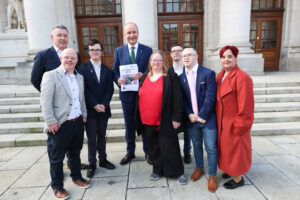
National Advisory Council celebrate busy year at AGM
The Department of Further Education and Training works towards making Ireland a country where there are inclusive and improved education opportunities and options for all school leavers and adults with Down syndrome.
One of our key goals is for school leavers and adults with Down syndrome to have the opportunities to reach their full potential. We provide information, advice and guidance to school leavers and adults with Down syndrome, their families, carers and education staff.

What is Further Education Training?
Further Education and Training (FET) covers any education and training after second-level education (post-primary) and up to third-level education (higher level education).


Useful links
Useful links on Further Education and Training
This website hosts a wide range of resources for students with Down syndrome and other disabilities, their families, carers and schools to support them in identifying post-school aspirations, choices and pathways to Further and Higher Education and Training, and to the world of work.
This booklet offers information on post-school Further Education options for school leavers and other adults with Down syndrome and other disabilities.
This website will help you find courses nationwide.
Useful links on Higher Education
This Easy Read booklet gives an overview of courses at universities and other Higher Education courses.
This booklet offers information on post-school Higher Education options for school leavers and other adults with Down syndrome and other disabilities.
Useful links on Rehab and Day Services
This booklet offers information on post-school Rehabilitative Training and Adult Day Services options for school leavers and other adults with Down syndrome and other disabilities.
This website offers information on training programmes and support services that the National Learning Network provides in 50 centres around the country.

Frequently Asked Questions
The end of formal schooling often marks the beginning of adulthood for many people, whether they have Down syndrome or not. It brings with it, new adventures, as well as new challenges, difficulties and uncertainties, as well as many questions.
Families may begin to look to the future, and ask questions about the best option for their son or daughter.
Many adults with Down syndrome are now leaving home, living independently with varying degrees of support, obtaining employment, forming relationships, and generally getting the most out of life.
One of our key goals is to create a society where school leavers and adults with Down syndrome have opportunities and options to reach their full potential.
Acknowledging the value of lifelong learning and access to quality education for adults is core to everything we do.
Below are some of our most common questions:
What are the options after post-primary?
- Talk your son/daughter about areas of interest
- Talk to the Career Guidance in your child’s school
- Talk to the HSE Disability Officer
- Contact the DSI Further Education and Training Department
My son/daughter didn’t do his/her Leaving Cert. Can they still go to college?
Yes. Not having a Leaving Certificate is not a barrier to going to college. There are options, depending on where you live. To find out what the options are, you can:
- Talk your son/daughter about areas of interest
- Talk the Career Guidance in your child’s school
- Talk to the HSE Disability Officer
- Contact the DSI Further Education and Training Department
Literacy Resources: Level 1 and 2 Resources
The Further Education and Training team have compiled lesson plans and resources on Padlet.
Media Literacy
College Preparation
Using Public Transport
DSI Work Skills Videos and Exercises
Sásta-nable Living
Transport Campaign
Down Syndrome Ireland works with our National Advisory Council (NAC) and Regional Advisory Councils to learn about how we can improve the lives of people with Down syndrome. They are a panel of adults with Down syndrome who advise DSI on how we can best support all people with Down syndrome. One of their top issues is transportation. Down Syndrome Ireland is actively working with the National Transport Authority (NTA) on a national transport campaign after listening to the needs of our NAC and our members.
Video Resources
MEET THE TEAM


Down Syndrome Ireland’s Employment team supports adults with Down syndrome to make informed choices about their careers, providing necessary resources to seek, obtain and be successful in gaining employment.
We believe that adults with Down syndrome should have access to meaningful employment: employment that is paid, in an area that matches skill and interest level and employment in a person’s local community. Through our National Employment Programme, our team work with and support a wide range of progressive organisations who see people with Down syndrome as key to making their workplaces more diverse and inclusive.
Everyone wants a purpose in life, like their siblings, to secure a paid job, work in their community and in an area that meets their skill and interest level.
Down Syndrome Ireland’s Employment Team supports adults with Down syndrome achieve this through our National Employment Programme.
Grafton Barber Partnership
Our partnership with the Grafton Barber shows the power of our National Employment Programme.


Our Partners


MEET THE TEAM

Down Syndrome Ireland was founded in 1971 to provide support and services to people with Down syndrome and their families.

Vision, Mission & Purpose

Vision
From inclusion in policy to equality in life for people with Down syndrome.
Mission
Our mission is to support people with Down syndrome and their families by providing clear information, consistent services and strong advocacy, working in partnership to reduce inequality, strengthen independence and build inclusive communities.
Purpose
To deliver and advocate for safe, equitable and consistent supports to people with Down syndrome through a clear and well-governed organisation.
Values
- Unity: We work as one organisation with a shared purpose and collective responsibility.
- Equity: The same high standard of support, everywhere.
- Partnership: We achieve more by working together with families, communities and the State.
- Evidence: We use data and lived experience to improve and advocate.
- Respect: Rights, dignity, choice and self-determination come first.
Read our strategy: Unity 2026-2030 here
Governance
Down Syndrome Ireland is committed to establishing and maintaining the highest standards of governance. We believe that it is essential to set and demonstrate high levels of transparency and accountability to all our stakeholders, supporters and funders.
We have worked on behalf of people with Down syndrome and their families since 1971. We have built up and maintained a high level of public trust that we value and do not take for granted.
Down Syndrome Ireland works with more than 3,500 people with Down syndrome and their families each year. We are an organisation with an annual expenditure of €5,578 million (2023).
As well as a national office, we are made up of 25 local branches which provide a wide range of vital services including education, support and research that enhance the lives of thousands of children and adults with Down syndrome. Our branch network is primarily run on a voluntary basis by our members and offer a range of activities, outings, services and supports throughout the country.
Memorandum and Articles of Association
Download our Memorandum and Articles of Association
Funding and Finances
With only 18% of our income received through State funding, we are very heavily reliant on fundraising activities and the generosity of the general public to continue providing our essential services and supports.
Down Syndrome Ireland publishes its financial accounts annually. They are prepared in accordance with the most up to date accounting standards, FRS 102 (2015) and with UK and Irish GAAP (Generally Accepted Accounting Principles) (2014).
We also comply with the requirements set down by the Charities Regulatory Authority, the Governance Code of Good Practice for Community, Voluntary and Charitable Organisations and the Statement of Guiding Principles for Fundraising created by the organisation Irish Charities Tax Reform, ICTR.
Constitution
Guiding Principles
Guidelines for Charitable Organisations on Fundraising from the Public
Annual Report and Financial Accounts
Down Syndrome Ireland’s 2022-2025 Strategy:
Working Together for a Brighter Future
Past Financial Reports
Past Annual Reports
Other Reports
Board
The Board of Directors has appointed Hayden Brown, 34 Grafton Street, Dublin, D02 XY06 as auditors of Down Syndrome Ireland.
Down Syndrome Ireland’s Board Members and the Chairman of the Board are volunteer members of the organisation and receive no remuneration. They donate freely of their time, skills and experience.
Everyone in Down Syndrome Ireland is 100% committed and passionate about the work they do on behalf of people with Down syndrome and their families.
Down syndrome is a genetic condition where a person is born with an extra copy of chromosome 21 in some or all of the cells in their body. This means that they have a total of 47 chromosomes, rather than the usual 46. Down syndrome is the term used in Ireland, but you may also see the term Down’s syndrome used.
Down syndrome is a lifelong condition. The extra chromosome changes the way the brain and body develop from the very early stages.
Down syndrome affects approximately one baby out of every 444 births here in Ireland. It is currently estimated that there are about 9,000 people in Ireland with Down syndrome.
Frequently Asked Questions
What is a syndrome?
A syndrome is a collection of symptoms and signs that usually occur together and are characteristic of a particular condition.
Are there different types of Down syndrome?
There are three types of Down syndrome:
- Trisomy 21 (95%): an extra copy of chromosome 21 is present in every cell
- Translocation (3-5%): an extra copy of part or all of chromosome 21 is attached to another chromosome
- Mosaic (1-2 %): some cells have an extra copy of chromosome 21, so have 47 chromosomes, while other cells have the usual 46 chromosomes.
Every person with Down syndrome has an extra copy of chromosome 21 in some or all of their cells.
How do we know which form of Down syndrome our child has?
When a child with Down syndrome is born, or if Down syndrome is suspected, a chromosomal analysis is carried out (by blood tests) to confirm the diagnosis and determine the type of Down syndrome the child has.
Did I do anything to cause Down syndrome?
No. Down syndrome is a genetic condition. The genetic difference occurs when the baby is conceived, and is not the result of any actions during pregnancy.
Is Down syndrome hereditary?
Usually not. A very small percentage of cases of Down syndrome may be inherited. Parents should ask their GP or paediatrician if they consider genetic counselling might be advisable.
Can Down syndrome be cured?
Down syndrome is a lifelong condition and cannot be cured, however with the right medical, therapeutic and educational supports, your child’s abilities can be nurtured.
People with Down syndrome, whatever their age, are people first, with abilities, strengths and weaknesses like everyone else. They will need additional support, but this doesn’t prevent people with Down syndrome all over the world leading full and independent lives. The quality of health care, education and community support provided to children and adults with Down syndrome can make a real difference to their quality of life.
Do all babies with Down syndrome have medical problems?
Down syndrome is a chromosomal anomaly that affects the whole body. This means that there are some medical issues that are more common in babies who have Down syndrome than in other babies. There are also some conditions that are less common.
Talk to your GP or paediatrician if you have any concerns about your baby’s health or development as they will be the best person to reassure you or check for any health issues. You can also phone Fiona McGrane, clinical nurse specialist on fiona@downsyndrome.ie or look in our health section for more information.
Many people who have Down syndrome lead active and healthy lives and most conditions associated with the syndrome can be treated or managed.
What will my child be able to achieve?
Like any other child, children with Down syndrome vary in their abilities and achievements. Nobody can tell you what your child can and will achieve. All we know is that there are thousands of people in Ireland with Down syndrome who have accomplished and continue to accomplish, many great things.
Person-First Language
We promote the use of Person First language at all times. To use person first language, simply say the person’s name or use a pronoun first, follow it with the appropriate verb, and then state the name of the disability. When referring to an individual, always describe them as a person with Down syndrome. The correct terminology is capital “D” for Down and small “s” for syndrome e.g. Joe Bloggs is a person with Down syndrome.
References to “a Downs” / “Down syndrome person” are no longer in use. Using person first language shifts our focus from the disability to the person who has dignity, feelings and rights. This subtle but powerful language shift helps us view people with disabilities as capable and deserving of respect.
…more than medical
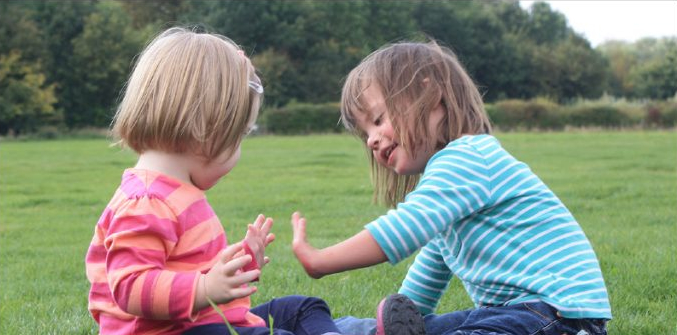
While there can be an abundance of medical information about Down syndrome, there is not a lot that provides real insight into the realities of having a child with Down syndrome. Our booklet ‘…more than medical’ is a resource to help support families and new parents with a pre or postnatal diagnosis of Down syndrome for their baby.
Remember we are here should you need any advice or support.
We are here to help and support you
Down Syndrome Ireland provides support and services for people with Down syndrome and their families throughout Ireland. If people with Down syndrome and their families require any information or support, please contact us on (01) 426 6500 or email info@downsyndrome.ie.
We are a community of people here to support you – we have a national office and 25 branches around the country.
When you are ready, connecting with Down Syndrome Ireland and your local branch can be a great start to helping you welcome your baby. You can contact any of our branches or call our National Office on (01) 426 6500.
We provide ‘all-through-life’ support to people with Down syndrome and their families with specialists in the areas of health, speech and language, early development, education and adult education – find out more about our support team members or our work.